What you need to know now about maximizing natural light:
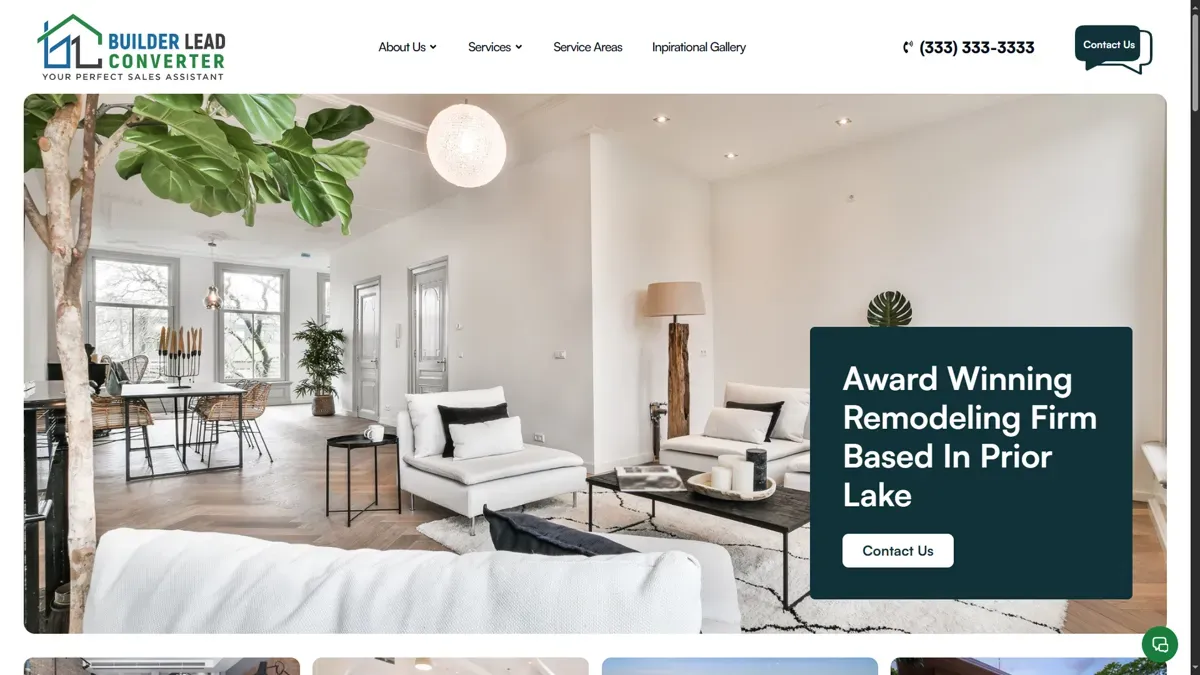
- Natural light makes a home feel larger, brighter and more inviting, and it should be planned from the start.
- Open floor plans, larger and well-placed windows, and glass doors or partitions let daylight travel through the home.
- Light, reflective finishes amplify daylight, while skylights and solar tubes reach hallways and other dark spaces.
- Thoughtful landscaping and room orientation, such as south-facing living areas, make the most of the sun on your lot.
At Inspiration Homes, we believe a home should feel as welcoming and uplifting as it is functional. One of the most powerful design elements to create that atmosphere is natural light. Sunlight not only makes a home feel larger, brighter, and more inviting—it also has proven benefits for your mood, health, and energy efficiency. Thoughtful architectural choices can maximize natural light and transform the way your home looks and feels every single day.
Here are some of our favorite architectural tips to help you create brighter, airier spaces filled with natural light.
1. Embrace Open Floor Plans
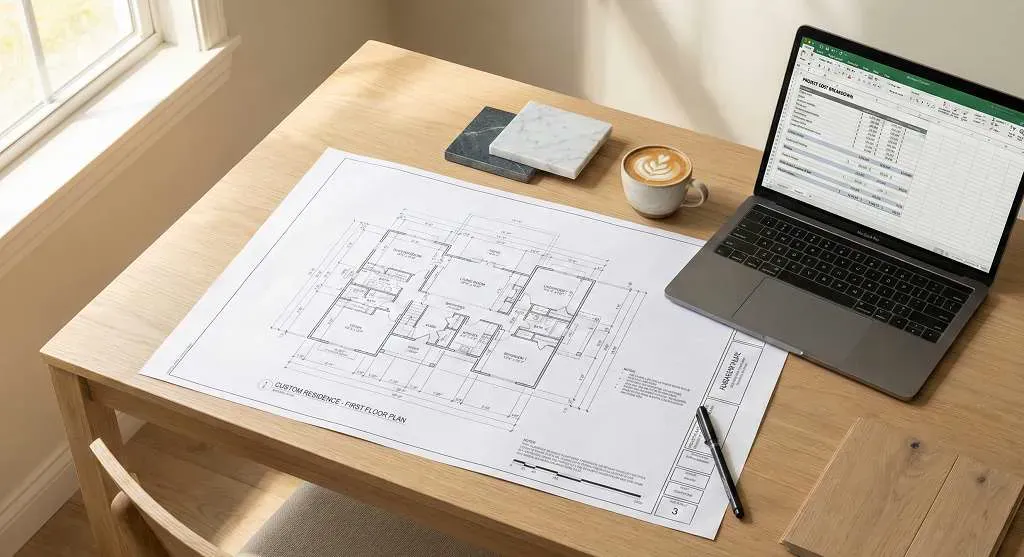
Walls and partitions block light from traveling through your home. By opting for an open-concept design, sunlight from one window can spread across multiple spaces, making rooms feel interconnected and expansive. Even partial walls or glass dividers can create a sense of openness while maintaining defined areas.
2. Consider Window Placement and Size
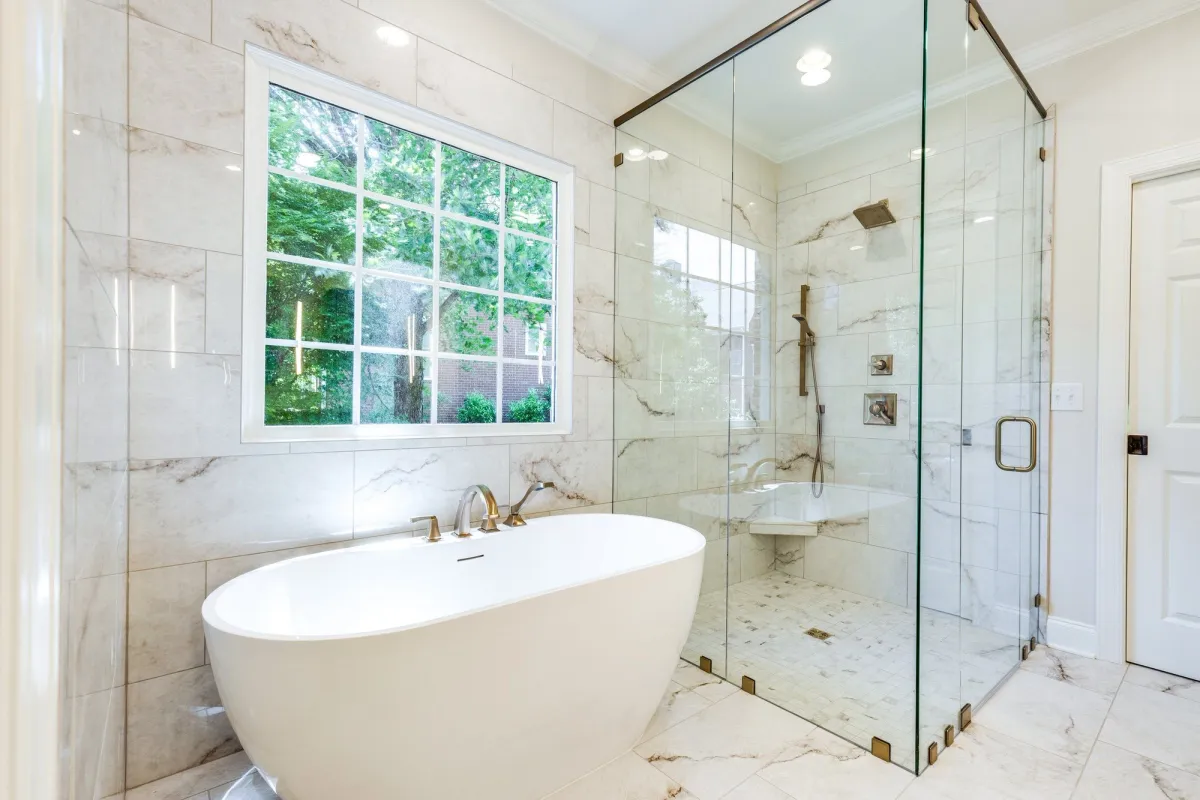
The placement and style of windows are among the most effective ways to harness natural light. Larger windows, floor-to-ceiling panes, and picture windows invite light deep into a room. Meanwhile, strategically placing windows on multiple sides of a space allows for balanced daylight throughout the day. Transom windows above doors and windows are another great way to bring in extra light without sacrificing privacy.
3. Use Glass Doors and Walls
Sliding glass doors, French doors, or even interior glass partitions can dramatically increase the flow of light in a home. They create a seamless connection between indoor and outdoor spaces, making your home feel brighter and more spacious.
4. Choose Reflective and Light Finishes
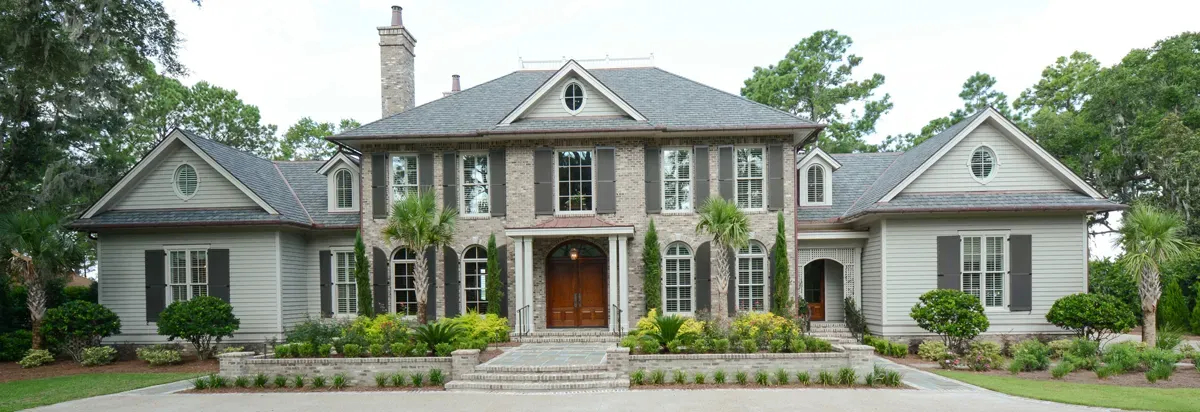
Your home’s finishes play a big role in how light bounces around a room. Lighter wall colors, glossy tiles, mirrors, and reflective surfaces help amplify daylight. For flooring, consider finishes that won’t absorb too much light but still provide warmth—such as light wood tones or stone.
5. Incorporate Skylights and Solar Tubes
If your design allows, skylights and solar tubes are a beautiful way to bring natural light into areas that typically feel dark, like hallways, bathrooms, or kitchens. Skylights provide a direct view of the sky, while solar tubes channel daylight into spaces where windows aren’t practical.
6. Mind Your Landscaping
Trees and exterior elements can either help or hinder natural light. While shade is important, especially in warmer climates, be thoughtful about tree placement to avoid blocking key windows. Trim overgrown foliage so that it enhances rather than restricts your home’s daylight.
7. Optimize Room Orientation
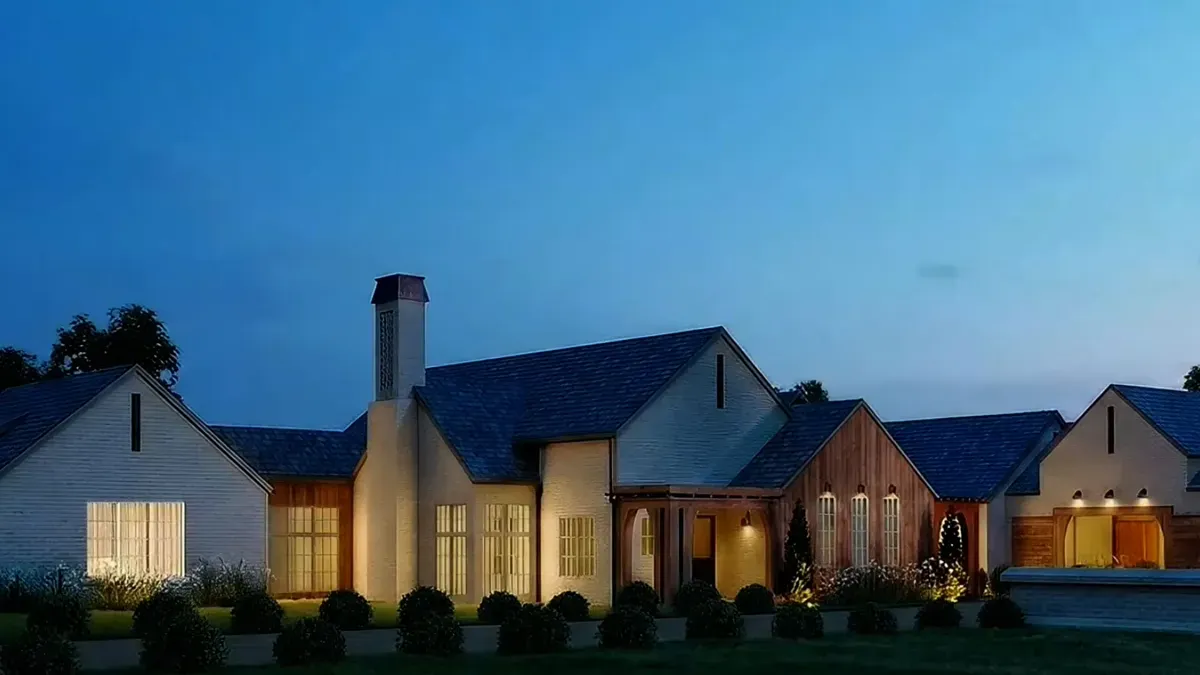
When designing a new home, the orientation of rooms in relation to the sun makes a big impact. South-facing windows capture consistent daylight, while east-facing windows bring bright morning light. Understanding your lot’s positioning and how the sun moves across it can guide the placement of main living areas for maximum light exposure.
The Lasting Impact of Natural Light
When it comes to building or remodeling, natural light should never be an afterthought. With the right architectural choices, your home can feel more open, energized, and welcoming every day. At Inspiration Homes, we design spaces that celebrate light—homes that don’t just look beautiful but also feel uplifting and alive.
If you’re ready to design a home that embraces natural light and enhances your everyday living, connect with Inspiration Homes today. Let’s build something extraordinary together.
Frequently Asked Questions about Natural Light in Home Design
How Can I Bring More Natural Light Into My Home?
Open up the floor plan, use larger and well-placed windows, add glass doors or interior glass partitions, choose light and reflective finishes, and consider skylights or solar tubes for darker areas.
Where Should Windows Go for the Best Daylight?
Placing windows on multiple sides of a space balances daylight through the day. Larger windows, floor-to-ceiling panes and picture windows bring light deep into a room, and transom windows add light without sacrificing privacy.
What Is the Difference Between a Skylight and a Solar Tube?
A skylight gives a direct view of the sky, while a solar tube channels daylight into spaces where windows are not practical. Both are ways to brighten hallways, bathrooms or kitchens that tend to feel dark.
Which Direction Should Living Areas Face?
South-facing windows capture consistent daylight and east-facing windows bring bright morning light. Understanding how the sun moves across your lot helps place the main living areas for the most light.
Design a home filled with natural light. Talk with Inspiration Homes about architectural choices that bring more daylight into your home. Request a Complimentary Consultation