
What you need to know now about planning a custom home in Tennessee:
- A custom home starts with the property: access, topography, utilities, drainage, orientation and setbacks shape what the design can do.
- Describe how you host, work, cook and recharge, because that gives the design team better guidance than a style label.
- Settle whole-home decisions such as size, levels, room relationships and structure before individual selections.
- A connected design-build process keeps site work, design, engineering, permitting, selections and construction clear and coordinated.
Begin With the Property
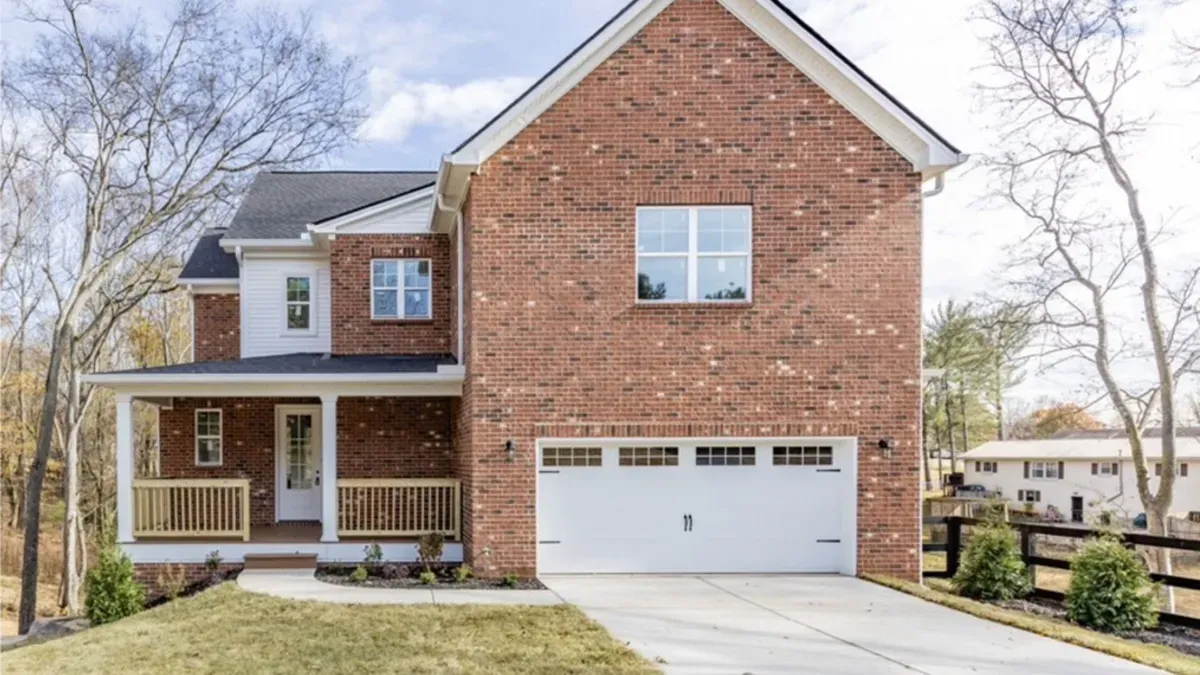
A custom home becomes clearer when the property is understood before the design is asked to solve every question. Access, topography, utilities, drainage, orientation, setbacks, and the way the home should meet the landscape all influence the path forward. A thoughtful early review helps the team distinguish fixed site conditions from choices that can be shaped through design.
Questions to Bring to the First Conversation
- How do you want everyday life to move through the home?
- Which rooms need to be closely connected, and which need privacy?
- What does the property already make possible?
- Which decisions need specialist input before plans advance?
These questions create a useful brief without requiring every finish or room to be decided on day one.
Translate Daily Life Into Design Direction
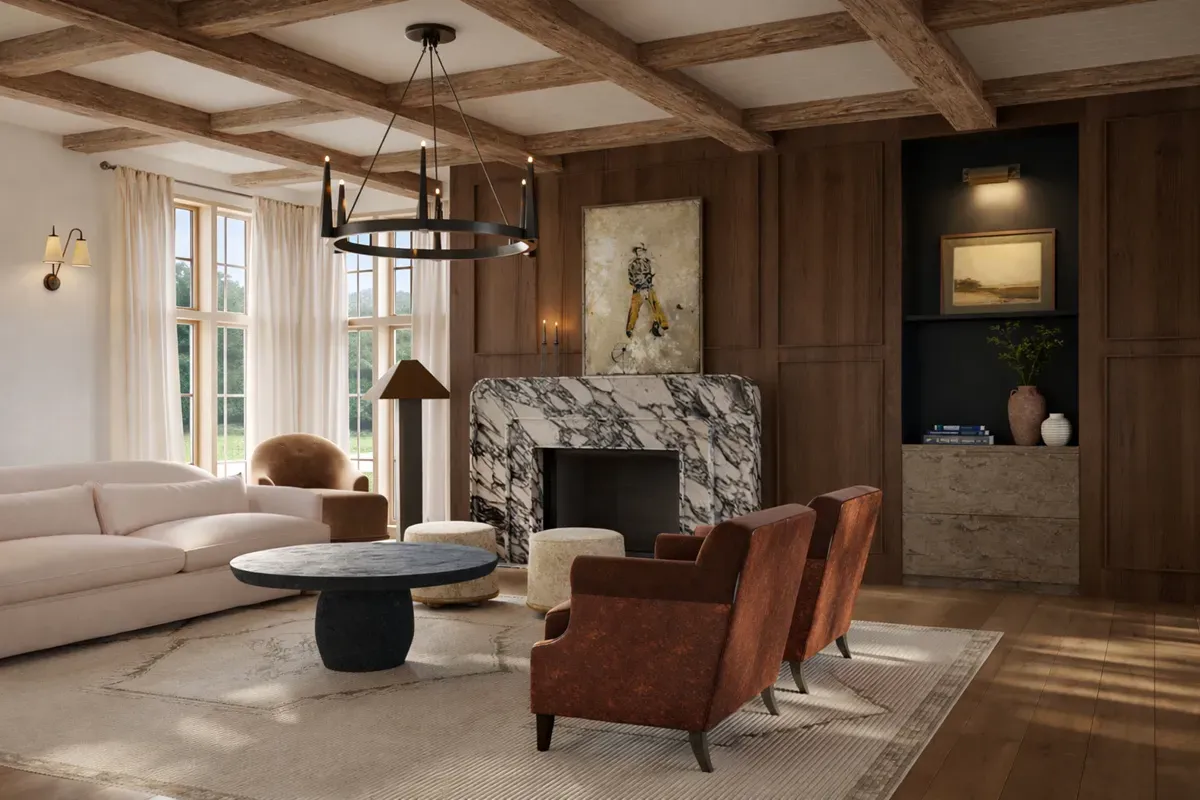
A successful custom home is not a collection of isolated rooms. It is a sequence of arrivals, gatherings, quiet spaces, storage, views, light, and outdoor connections. Describe how you host, work, cook, recharge, and move through a typical week. That lived experience gives the design team stronger guidance than a style label alone.
 Architectural rendering
Define the Scope Before Details Take Over
Start with the decisions that affect the whole home: the overall size and massing, number of levels, room relationships, site response, structural approach, and the degree of customization needed for cabinetry, millwork, lighting, and exterior living. Then move into the material palette and individual selections. This order keeps the design coherent and prevents later decisions from working against the architecture.
Plan the Sequence
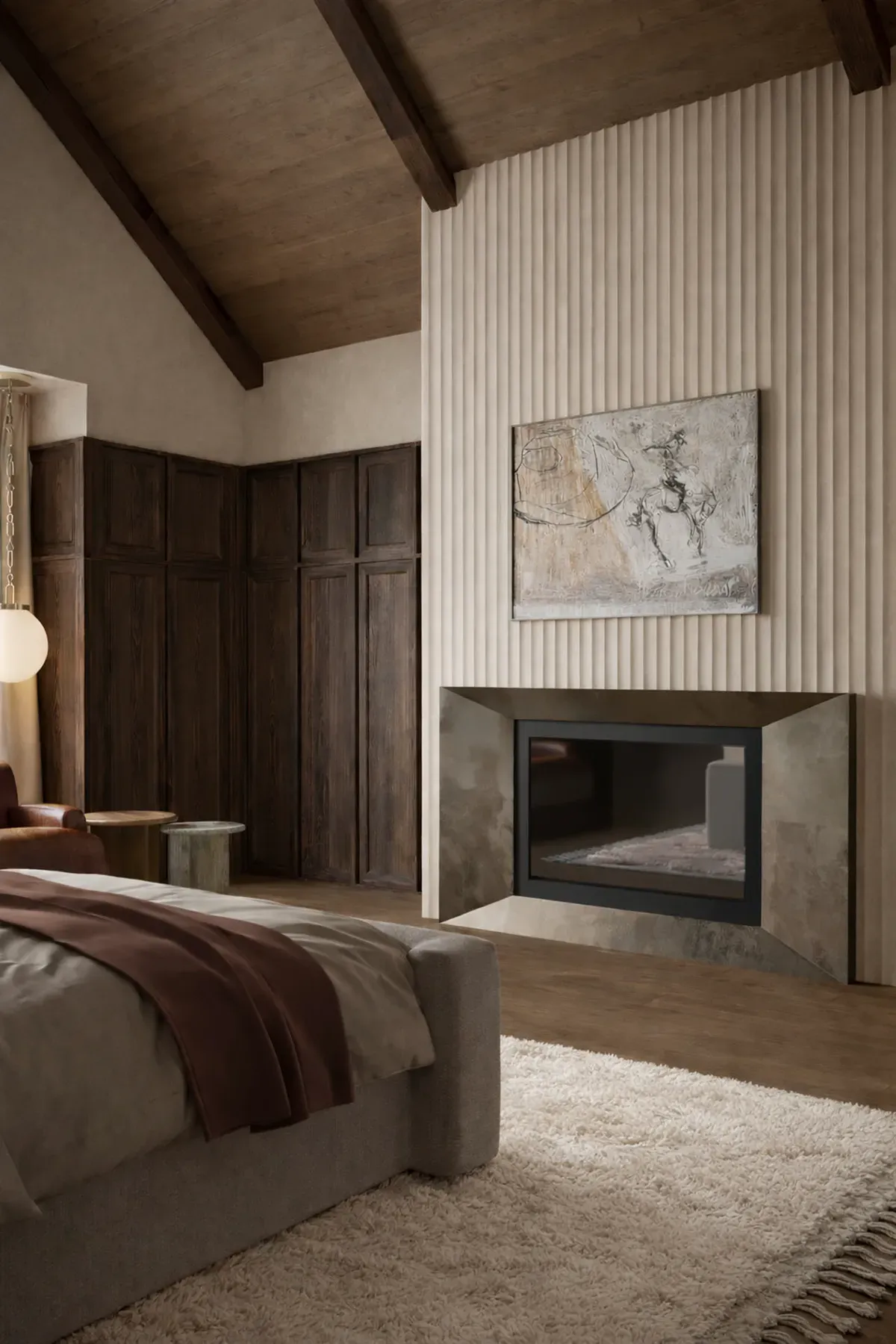
Site due diligence, concept design, engineering, permitting, selections, and construction each need their own moment. A connected design-build process makes those handoffs visible, identifies decisions with long lead times, and gives the homeowner a clear place to ask questions. The aim is not to rush the process; it is to keep every next step understandable.
 Architectural rendering
Use a Team That Can Coordinate the Whole Picture
Custom homes involve many specialists. The best experience comes from clear responsibility across design, engineering, permitting, field coordination, and closeout. Ask how information moves between those people, how decisions are documented, and how changes are considered before work proceeds. A strong process gives the home its best chance to feel intentional from the first sketch through the final walkthrough.
What Does a Custom Home Cost in Tennessee?
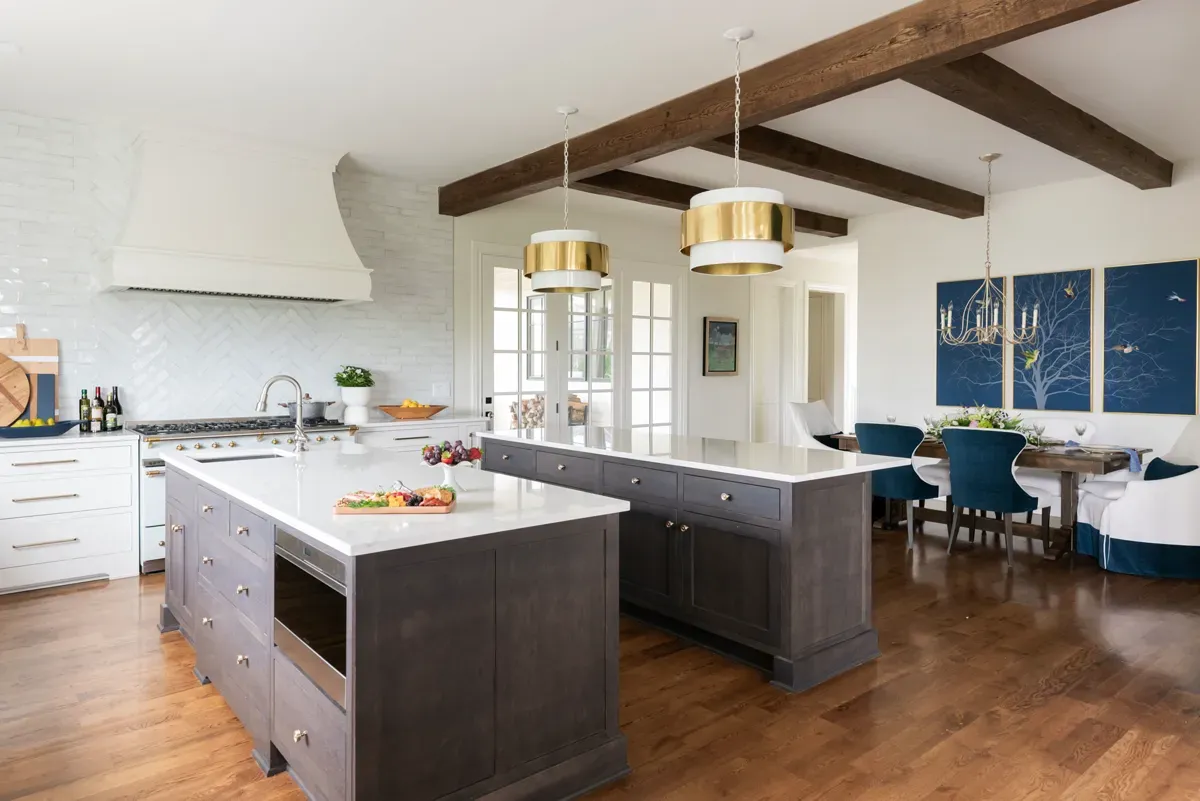
The cost of a custom home depends on the property, including access, topography, utilities and drainage, and on the home itself: its size and massing, number of levels, structural approach and the degree of customization in cabinetry, millwork, lighting and exterior living. For national context on construction costs, see the National Association of Home Builders. A figure for your own home comes from a written proposal once the scope is defined.
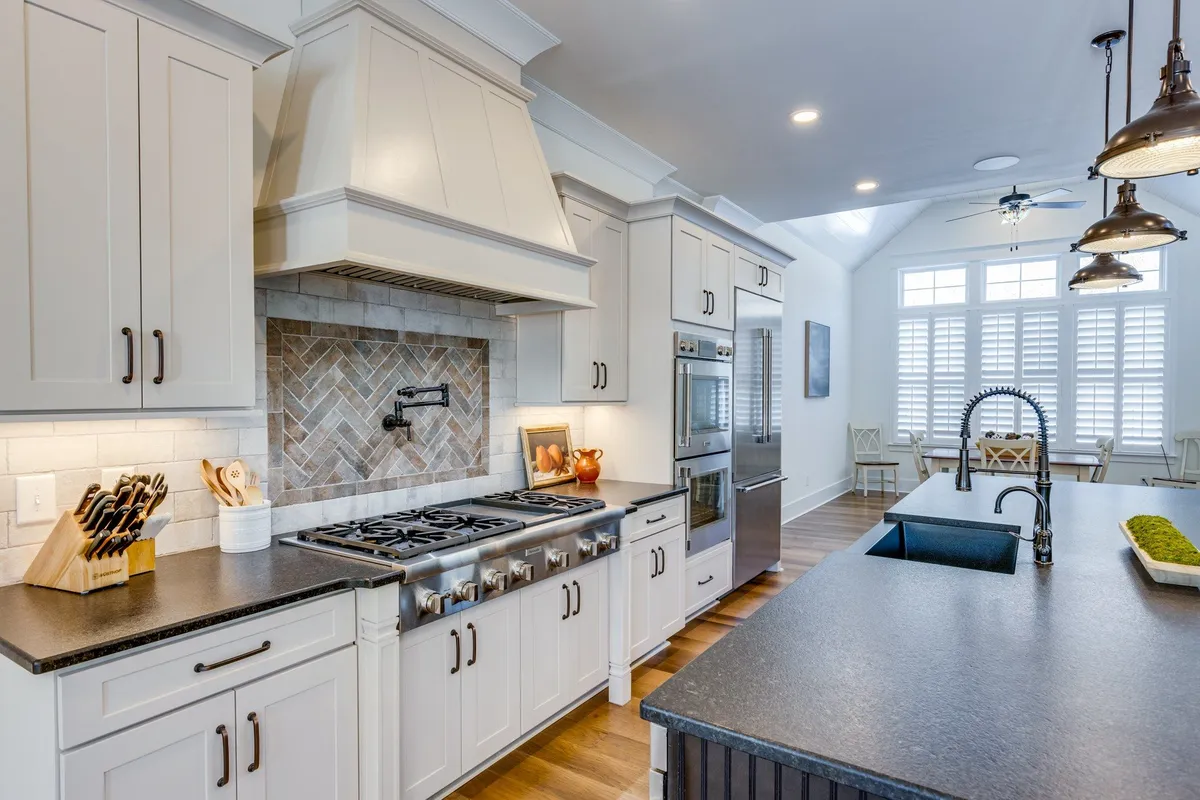
Frequently Asked Questions about Building a Custom Home in Tennessee
What Should I Know About My Property Before Designing a Custom Home?
Access, topography, utilities, drainage, orientation, setbacks and the way the home should meet the landscape all influence the plan. An early review separates fixed site conditions from choices that design can shape.
What Questions Should I Bring to the First Conversation With a Builder?
How you want everyday life to move through the home, which rooms need to be connected and which need privacy, what the property already makes possible and which decisions need specialist input before plans advance.
In What Order Are Custom Home Decisions Made?
Start with decisions that affect the whole home, such as size and massing, number of levels, room relationships, site response, structure and the level of customization, then move into the material palette and individual selections.
What Are the Stages of Building a Custom Home?
Site due diligence, concept design, engineering, permitting, selections and construction. A connected design-build process makes the handoffs visible and identifies decisions with long lead times.
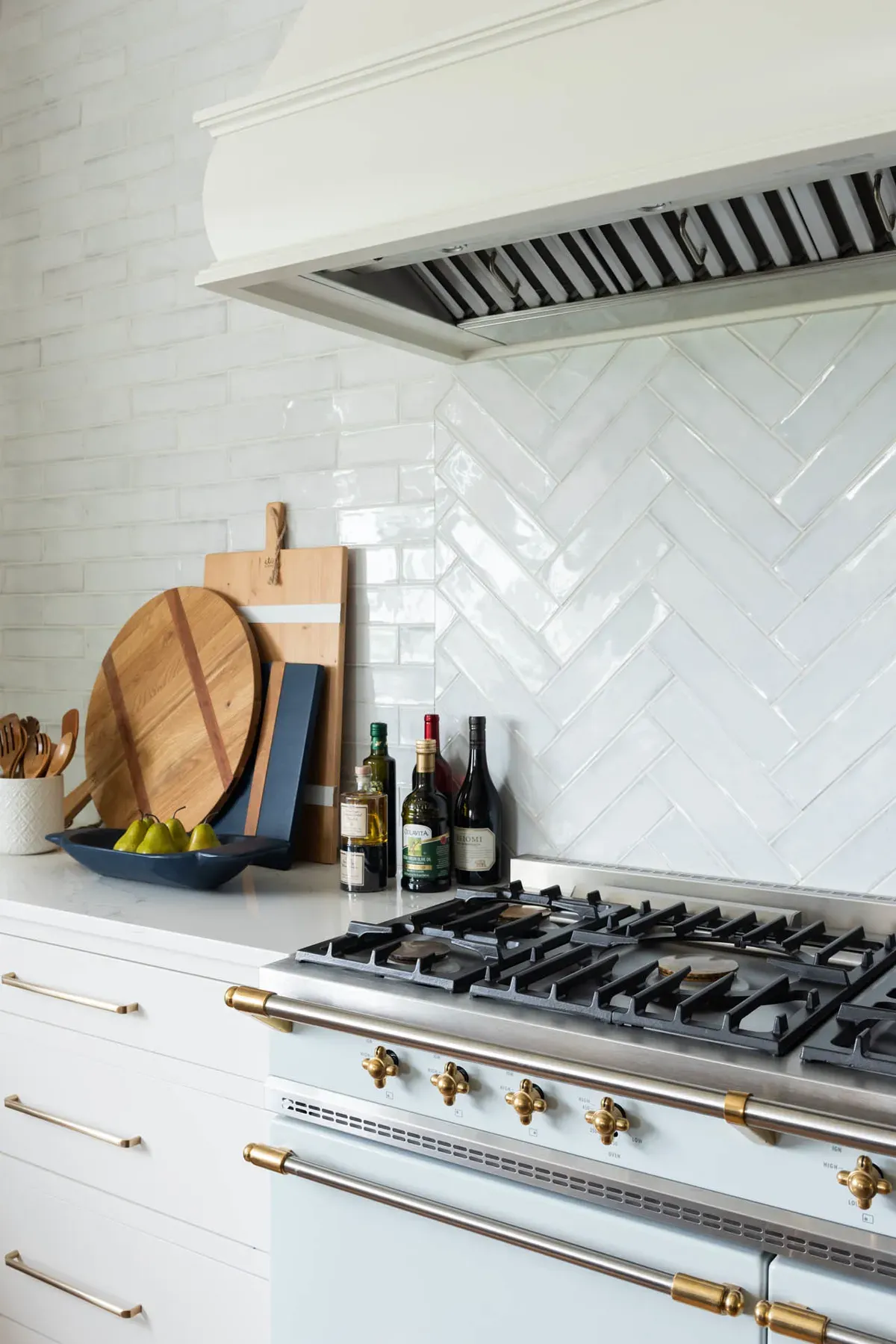
A Private Conversation Is the Right Next Step
Bring the property information you have, the spaces that matter most, and a few examples of the atmosphere you hope to create. Inspiration Homes can help organize the questions, explain the planning path, and determine whether the project is a good fit for our team.
Request a Complimentary Consultation
How Inspiration Homes prices a project
Inspiration Homes does not publish construction or remodeling prices, cost ranges or per-square-foot rates. Every project is scoped privately, and you receive a written proposal covering scope, timeline and cost before any work begins.
To talk through your project, request a complimentary consultation with Jonathan Knudsen or call 615.241.0174.